Dave's Hot Chicken Franchise: How It Scaled So Fast (2026)
Learn how Dave's Hot Chicken achieved explosive growth from a single food truck to hundreds of franchise locations nationwide.
Chris Reeves
Franchise Analyst
Dave's Hot Chicken Franchise: How It Scaled So Fast (2026)
Overview
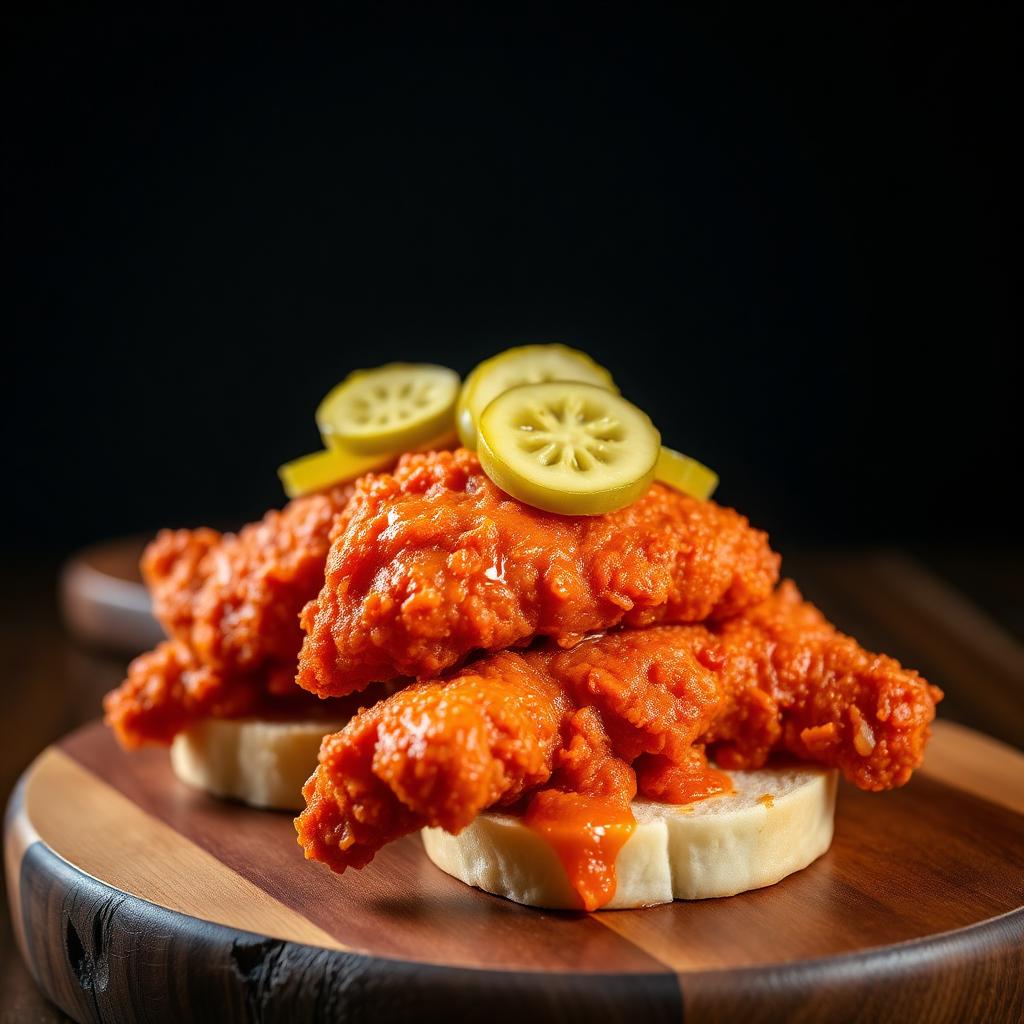
Dave's Hot Chicken is a fast-casual restaurant franchise built around Nashville-style hot chicken, hand-breaded tenders and sliders served across a range of heat levels, alongside sides like fries, mac and cheese, and shakes. The brand began as a small pop-up in Los Angeles before moving into permanent locations and opening its system to franchisees. Today it operates one of the larger footprints among the newer hot-chicken concepts.
This analysis is grounded in the brand's Franchise Disclosure Document (FDD) figures rather than marketing claims, so prospective owners can weigh the opportunity on real numbers.
What It Costs to Open
According to the current FDD, the estimated total initial investment to open a Dave's Hot Chicken franchise runs from $823,800 to $4,121,900. That is a wide band, and where a given project lands depends heavily on format, location, real-estate costs, and buildout scope.
The range includes a $40,000 initial franchise fee. Beyond that fee, the total covers the categories a restaurant buildout typically requires: site work and construction, kitchen equipment, furniture and fixtures, signage, point-of-sale technology, opening inventory, training expenses, permits, and several months of working capital to carry the location through its ramp-up period.
Because the top of the range approaches roughly five times the bottom, the format matters enormously. A smaller-footprint or conversion location sits toward the low end, while a ground-up freestanding building with a drive-thru pushes toward the high end. Anyone modeling this opportunity should build their own pro forma around a specific site rather than assuming a midpoint.
Unit Footprint
As of the most recent FDD reporting year (2025), the system reported 358 total locations, of which 348 were franchised and 10 were company-owned. A franchise mix weighted this heavily toward franchisee-operated units is common once a brand has moved past its early company-run phase and into system-wide expansion.
The scale of the footprint, several hundred locations reached in a relatively short time, is the clearest signal of how quickly the concept found demand. For a prospective owner, a larger system can mean more established supply chains, more refined operating playbooks, and more brand recognition in new markets, though it can also mean fewer prime territories left open.
Financial Performance Disclosure
Dave's Hot Chicken does not include a financial performance representation (Item 19) in its FDD. Under FTC rules, franchisors are permitted but not required to disclose sales or earnings figures, and this brand has chosen not to.
For a prospective franchisee, the absence of an Item 19 means the FDD offers no franchisor-provided sales or profit figures to model against. The practical response is to rely on your own diligence: interview current and former franchisees (their contact information is listed in the FDD's exhibits), study unit-level economics for comparable fast-casual restaurants, and stress-test your projections conservatively. Never assume performance the franchisor has not disclosed.
What Drove the Fast Growth
Several factors commonly cited for the concept's rapid expansion are visible in the structure of the offering itself: a tightly focused menu that simplifies operations and training, a recognizable and differentiated product in the growing hot-chicken segment, and a franchise-led expansion model that lets outside operators fund and open new units. The large franchised-unit count reflects that model working at scale.
None of that guarantees an individual location will perform. Fast system growth and individual unit profitability are different questions, and the lack of an Item 19 means the second one is left to each owner's own analysis.
Bottom Line for Prospective Franchisees
Dave's Hot Chicken is an established, sizeable system with a clearly defined concept and a franchise fee and investment range typical of a full fast-casual restaurant build. The key diligence items are the wide investment band (model your specific site), the franchised-heavy footprint (confirm territory availability), and the absence of disclosed financial performance (do your own unit-economics homework and talk to existing operators).
Figures above are drawn from Dave's Hot Chicken's most recent Franchise Disclosure Document. FDDs are updated annually and can change year to year; always review the current document before making any investment decision.